How to read a denim spec sheet
Weight, construction, shrinkage and recovery: what each line on a fabric spec tells you, and which numbers matter most when you move from sample to bulk.
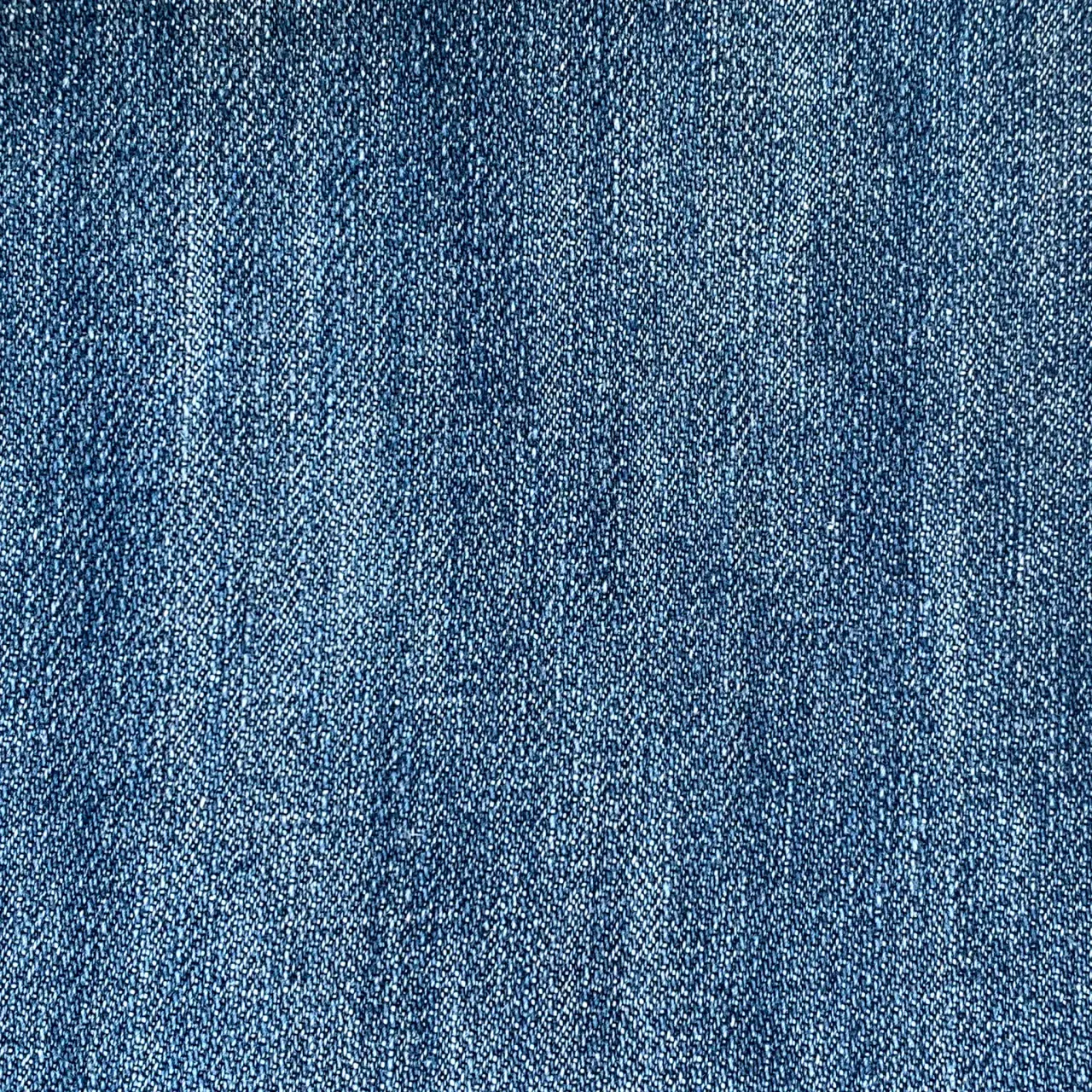
A spec sheet is the shortest honest description of a fabric. Read it well and you can predict how a pair of jeans will fit after the first wash, how it will fade, and whether bulk will match the sample you approved.
Weight
Denim weight is usually given in ounces per square yard. Under 10 oz is light and suits shirts and summer fits. 12 to 14 oz is the everyday range. Above 14 oz is heavy, slower to break in, and loved for rigid heritage styles.
Construction
Ends per inch (EPI) and picks per inch (PPI) describe how tightly the warp and weft are packed. Higher numbers mean a denser, firmer cloth. Read them together with yarn counts: a coarse yarn at a lower density can feel heavier than a fine yarn packed tightly.
Twill direction
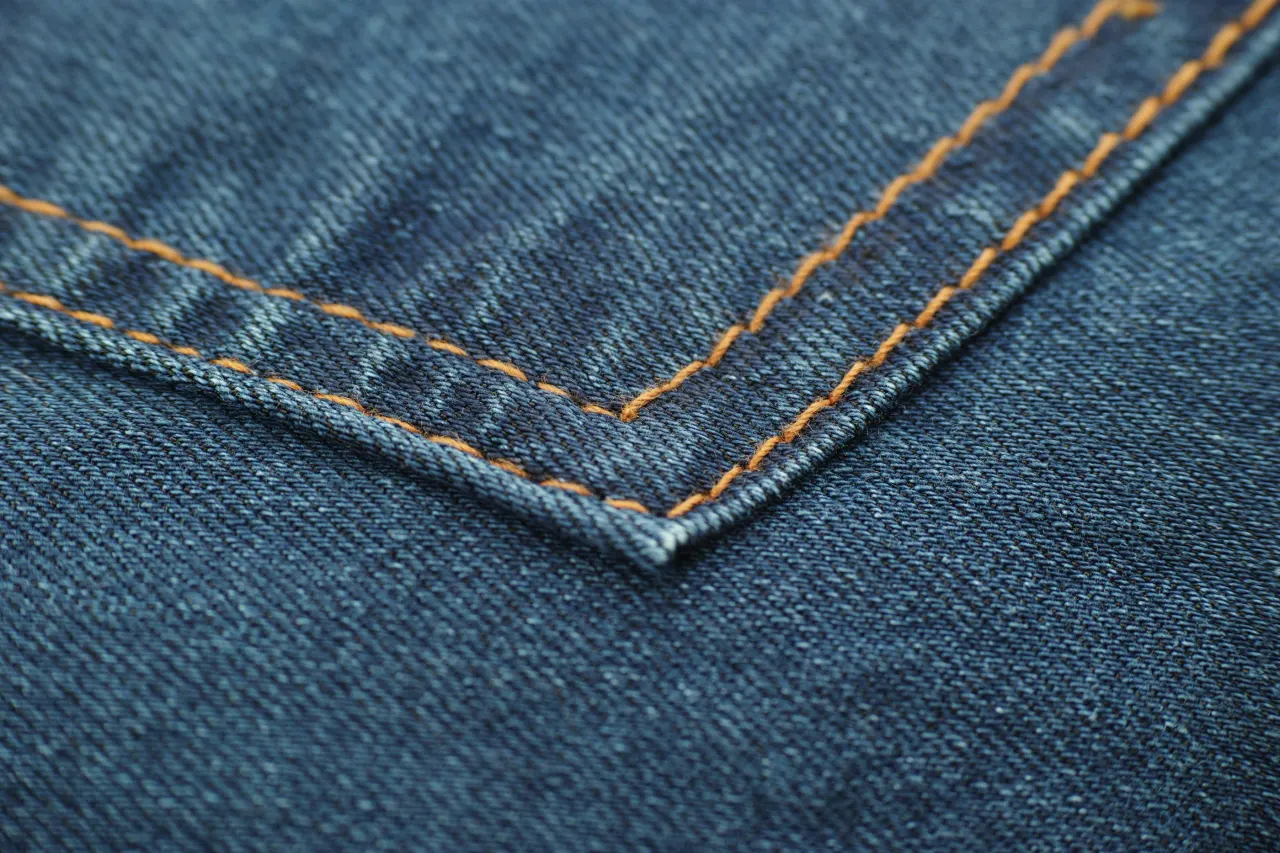
Right-hand twill is the most common. Left-hand twill feels softer and fades with a different streak. Broken twill reduces leg twist.
Shrinkage and recovery
Shrinkage tells you how much the fabric moves in its first wash, warp and weft separately. Recovery tells you how well a stretch fabric returns to its shape after it is pulled. For stretch denim, ask for both growth and recovery figures, not just elongation.
If you only check one number before bulk, check shrinkage. It decides whether your pattern still fits.
What to ask your mill
- Test method for every figure (ASTM or ISO)
- Tolerance on weight and width
- Shade band and lot-to-lot control
- Wash recipes the fabric was tested with