
Check one · every lot
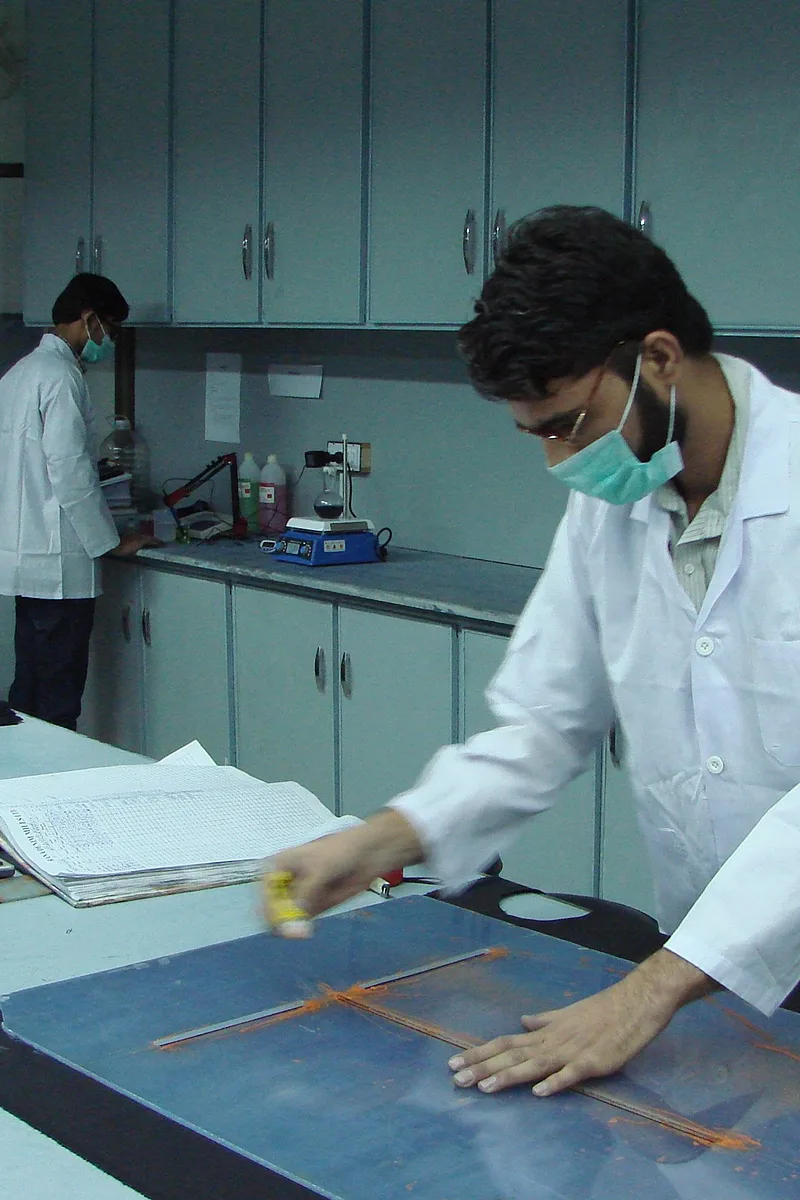
Laboratory testing
- Dimensional stability
- Fabric strength
- Colorfastness
- AATCC and ASTM test methods
Textile Rantex (Pvt.) Ltd.
Approximately 2.5 million meters a month, scaling to 3.6 million, backed by three decades of commercially proven constructions so brands move from development to bulk faster.
01 Manufacturing
Every stage of denim production runs on one site, each with dedicated machinery and its own quality team.
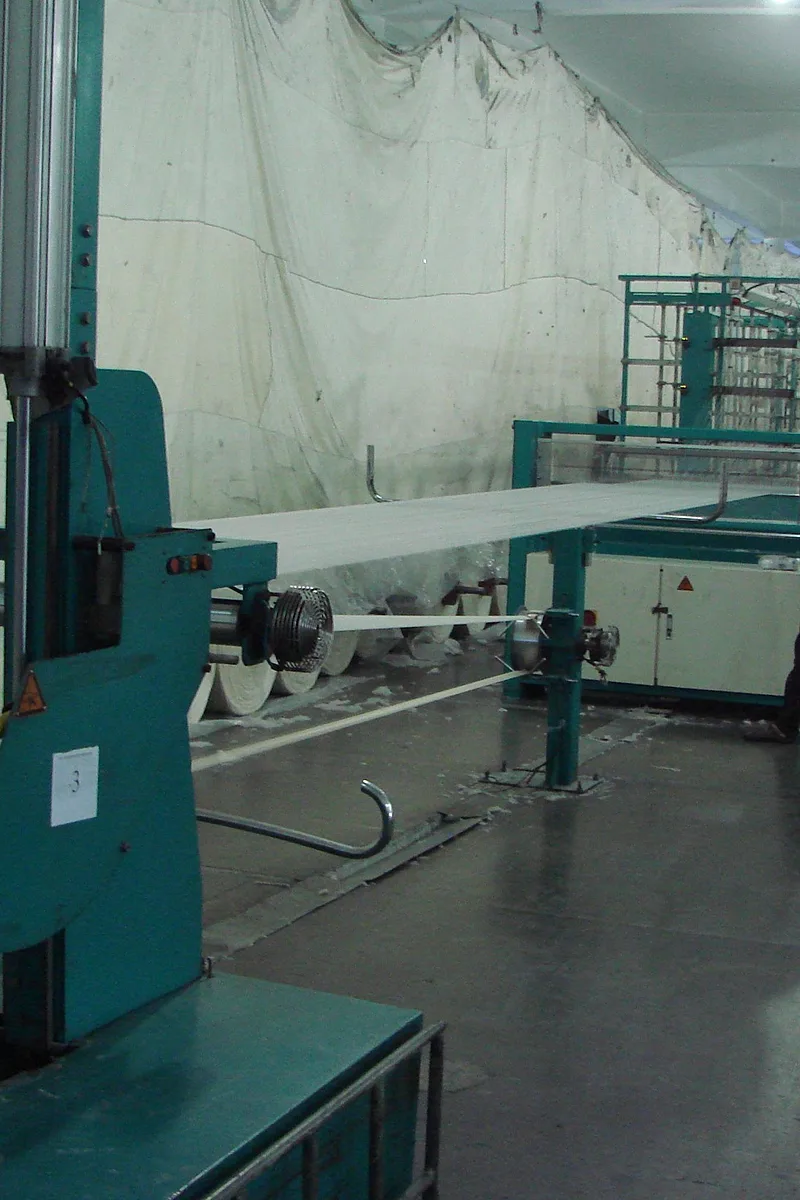
Hundreds of yarn ends are gathered into a loose rope and wound onto a ball, ready for the dye range.
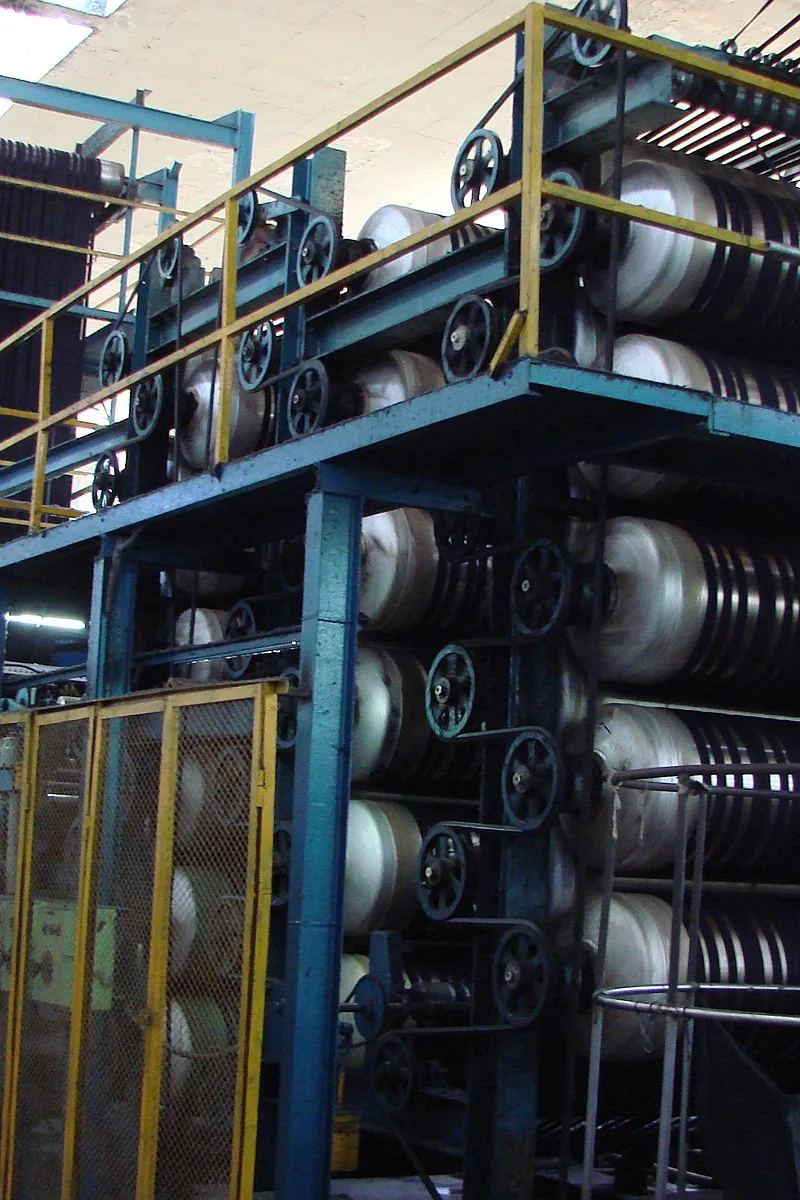
Yarn ropes pass repeatedly through indigo baths and oxidize in the air, building depth of shade with each dip.
The dyed ropes are opened out and the ends laid side by side onto a beam.
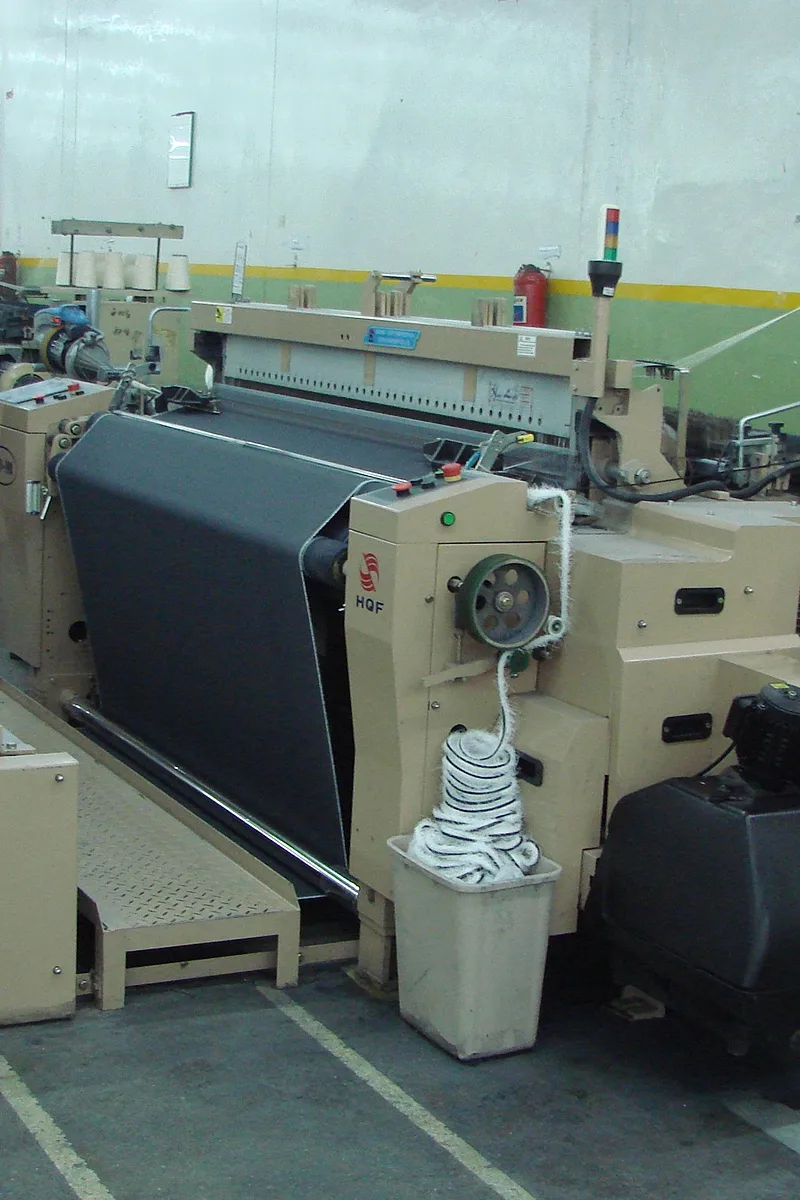
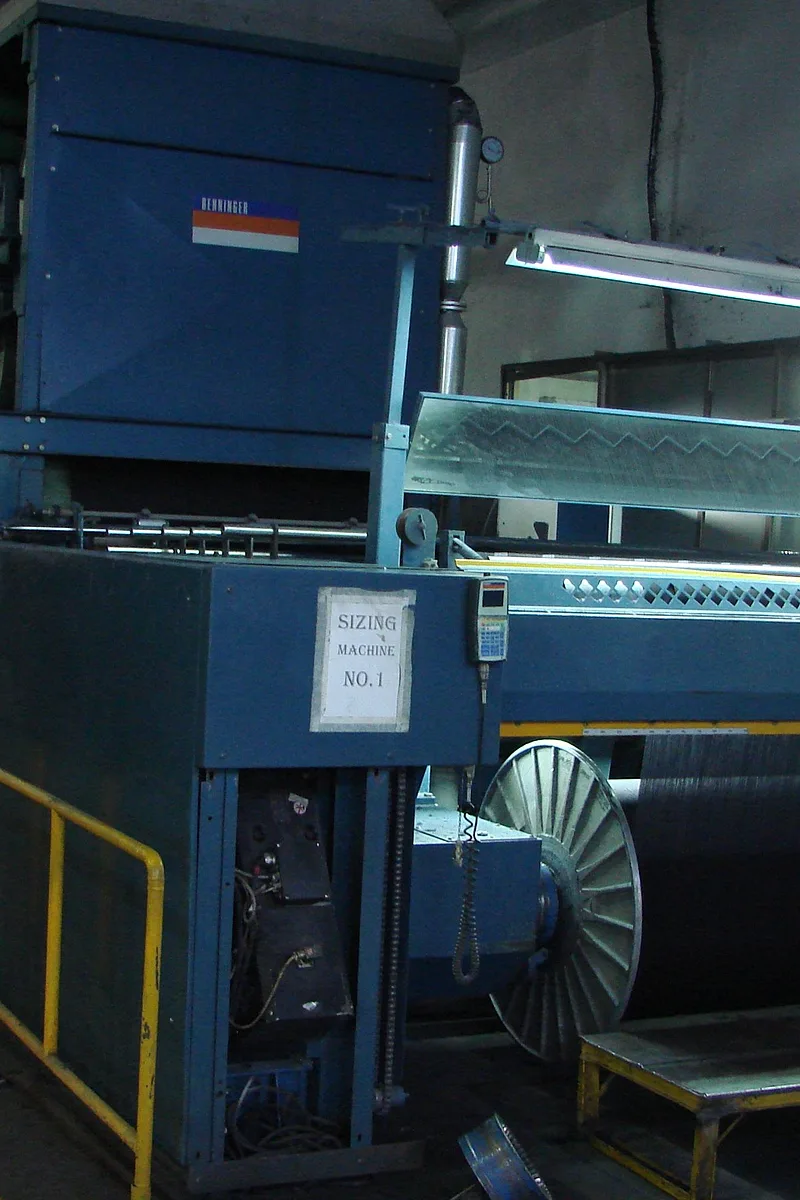
A thin coat of starch protects the warp yarn from the strain of the loom.
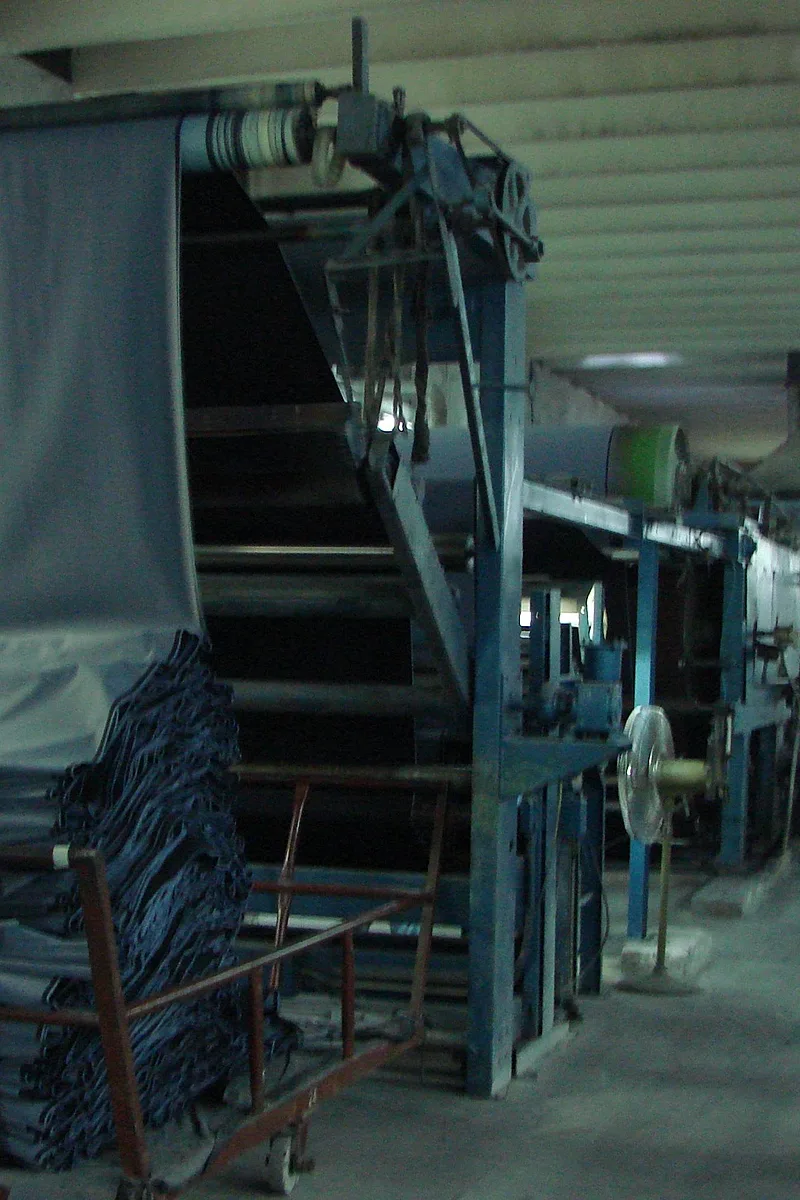
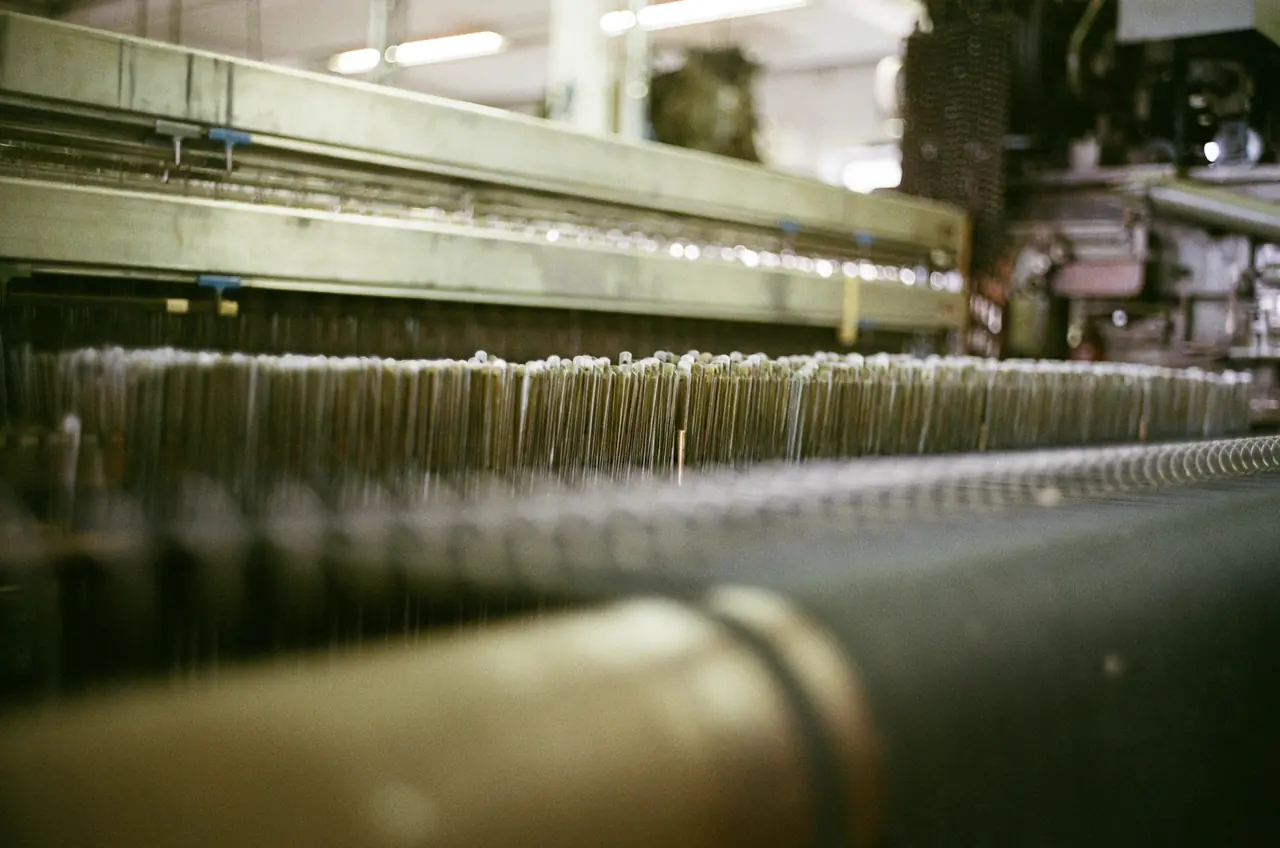
Indigo warp and undyed weft are woven into twill on air-jet and rapier looms.
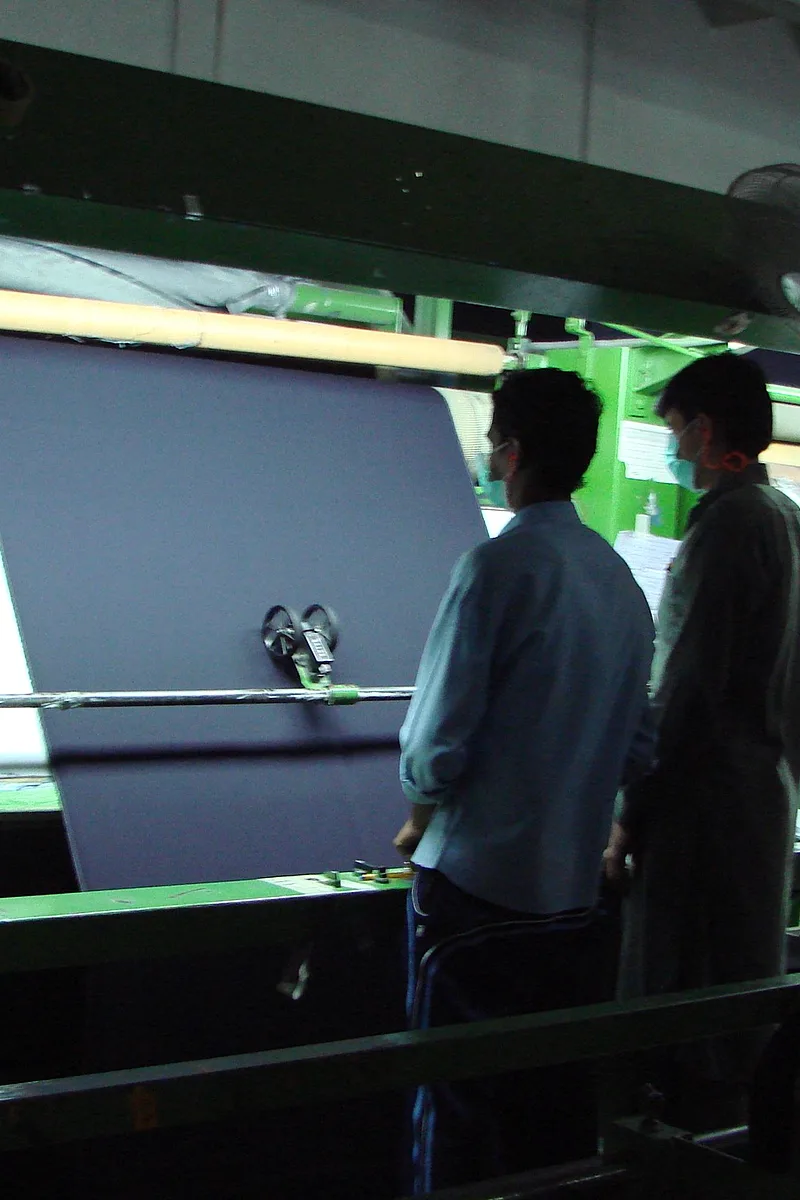
The cloth is stretched to its finished width, set with heat and stabilized against shrinkage.
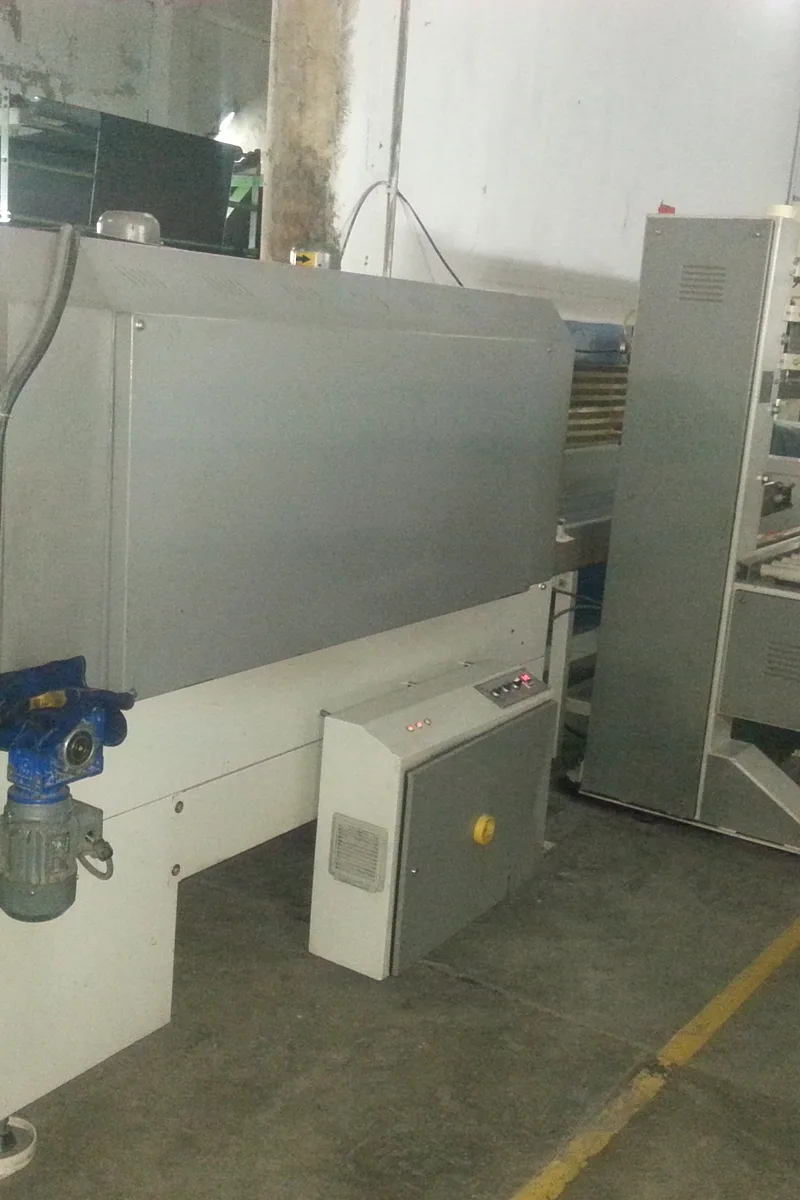
Every meter passes over a lit frame and is graded on the 4-point system.
The laboratory tests stability, strength and colorfastness before a lot is released.
Develop faster. Buy closer to demand.
React quicker. Carry less inventory risk.
The Rantex proposition
02 Fabric catalog
Three decades of denim manufacturing have built a deep product archive. Our product development teams can build from proven platforms or develop new constructions around specific design, performance, sustainability or cost targets.
03 Quality
Every department has its own quality team. Laboratory testing and 4-point inspection give brands the consistency their programs depend on.
Check one · every lot
Check two · every roll
Request swatches for your next development.
04 Certificates

Every component of the fabric is tested for harmful substances.
Organic fiber, with environmental and social criteria through the supply chain.
Verifies organic fiber content from the farm to the finished fabric.
Verifies recycled content and tracks it from source to finished fabric.
Tracks recycled material through every stage of production.

A chain of custody that verifies the content claims made for each fabric.
Physical and mass balance Better Cotton, under the Better Cotton chain of custody.

Registered with Cotton made in Africa for sustainably grown African cotton.

A member of the Trust Protocol for measured, verified U.S. cotton.

Fiber-to-retail traceability, recorded on the TextileGenesis platform.

Registered on the ZDHC Gateway, managing chemistry to cut hazardous discharge.
Verified Higg FEM and FSLM assessments of the mill's environmental and social performance.
A certified quality management system across the mill.
A certified environmental management system across the mill.
A certified occupational health and safety management system.
Eight, all at the mill in Faisalabad: ball warping, rope dyeing, re-beaming, sizing, weaving, stenter finishing, inspection and quality assurance.
Yarn is gathered into ropes and passed through indigo baths, then lifted into the air to oxidize, many times over. Each dip adds a layer of indigo on the outside of the yarn, which is what gives denim its depth and the way it fades.
Every roll is inspected on the 4-point system, which covers tube rolling, defect points assessment, splicing and defect classification.
Dimensional stability, fabric strength and colorfastness, using AATCC and ASTM test methods.
Rantex currently operates at a capacity of approximately 2.5 million meters of denim a month, with expansion planned to 3.6 million meters.
Yes. Local and international design consultants work with the product development team on single designs and on complete collections, and having every stage on one site keeps development quick.