
Sustainability Rantex (Pvt.) Ltd.
Responsible from fiber to fabric.
From Direct-to-Farm cotton and regenerative agriculture to biological effluent treatment and solar energy, responsibility runs through every stage of how Rantex makes denim.
- 62%
- Of our fabric is made with sustainable fiber
- 85%
- Of process water is treated and reused
- 2.4 MW
- Of solar capacity on the mill roof
- −30%
- Carbon per meter targeted by 2030
01 Traceability
From farm
to fabric.
Transparency is no longer an option in the denim supply chain. It is becoming a prerequisite.
Rantex has developed an end-to-end mapped supply chain, providing visibility across the sourcing and manufacturing journey. Our Direct-to-Farm cotton programs enable greater traceability back to the fiber origin and create a stronger foundation for responsible sourcing and sustainability reporting.
Combined with our capabilities in responsible cotton sourcing and regenerative agriculture initiatives, we help brands move beyond generic sustainability claims toward a more transparent and traceable material story.
- End-to-end mapped supply chain
- Direct-to-Farm cotton programs
- Responsible cotton sourcing
- Regenerative agriculture initiatives
02 Sustainable fibers
Responsible
fiber sourcing.
A fabric's footprint is largely determined by its fiber. Our sourcing programs prioritize responsible and traceable materials.
-
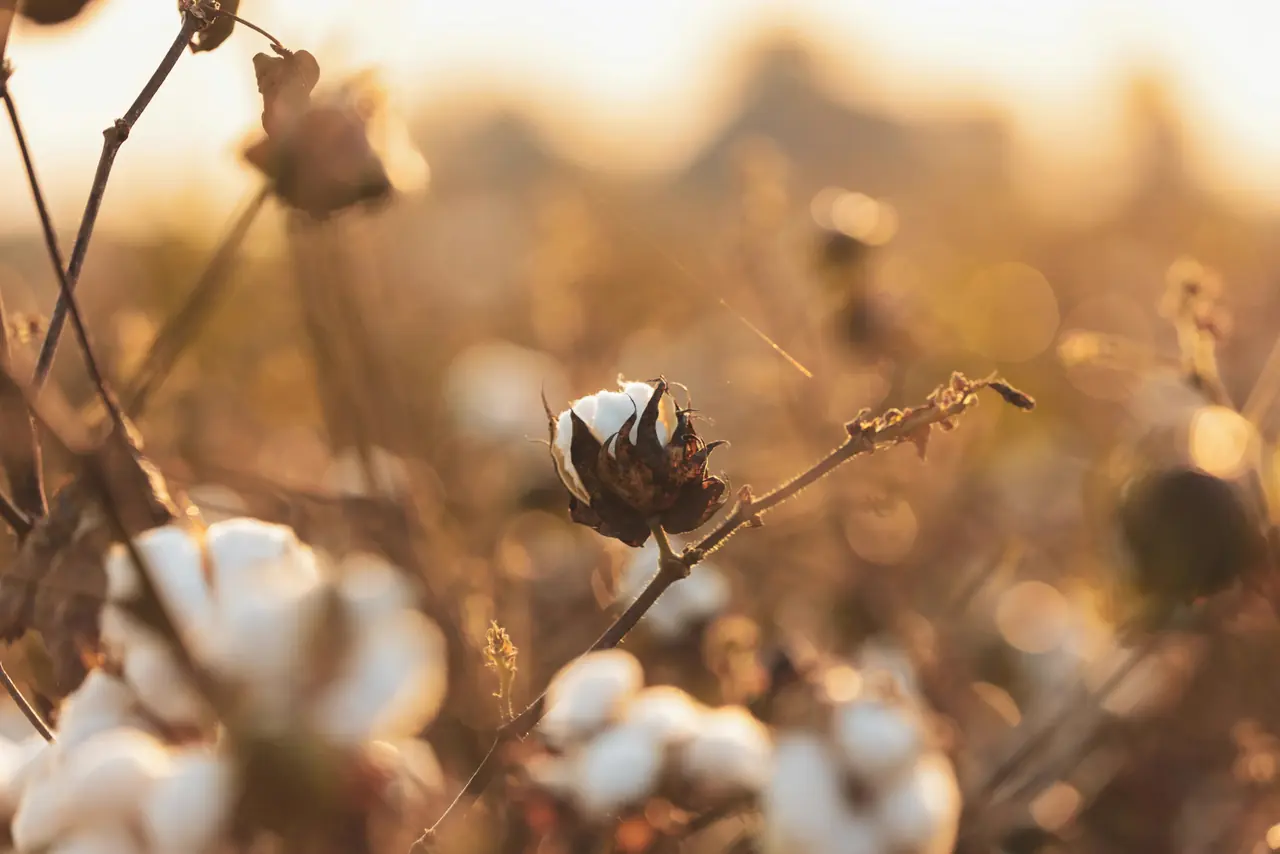
Better Cotton
More efficient water use, improved soil and habitat care, and better conditions for farmers.
-
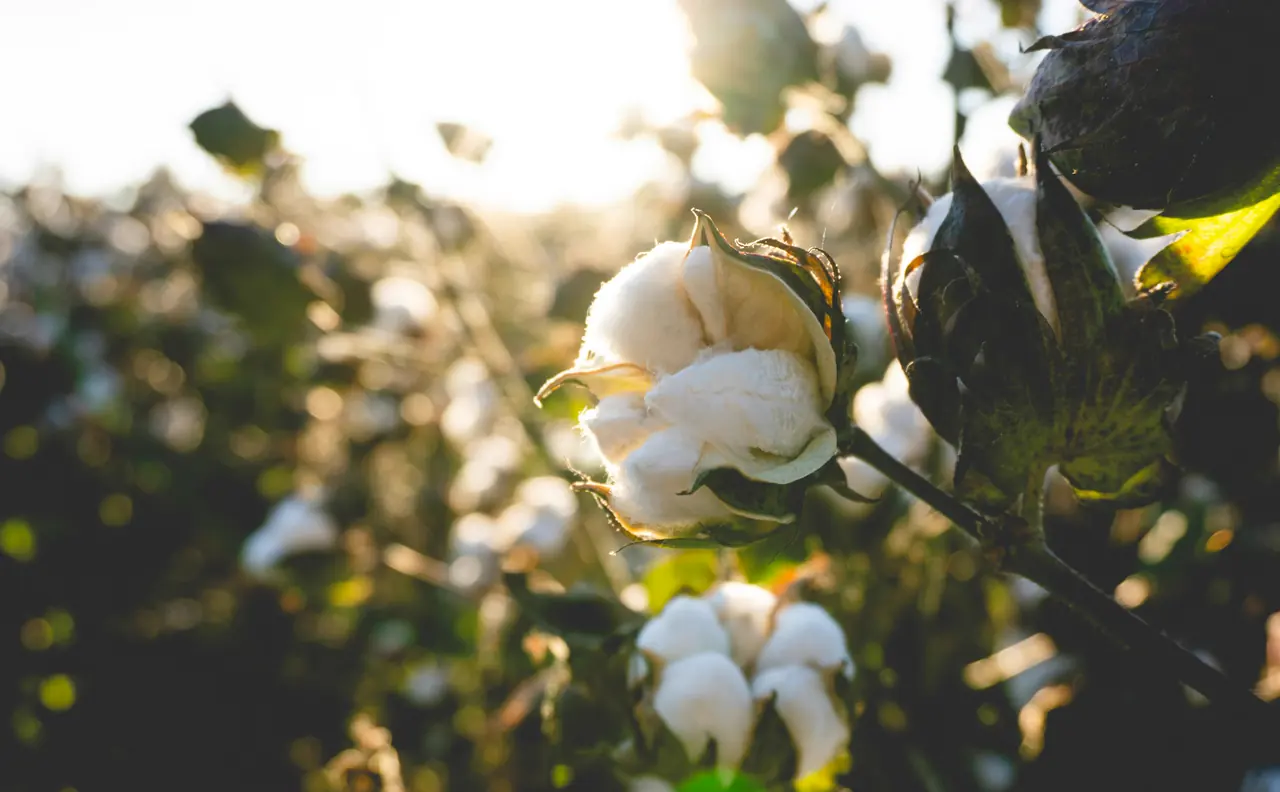
Organic cotton
Grown without toxic or persistent pesticides and fertilizers, and traceable from the field.
-
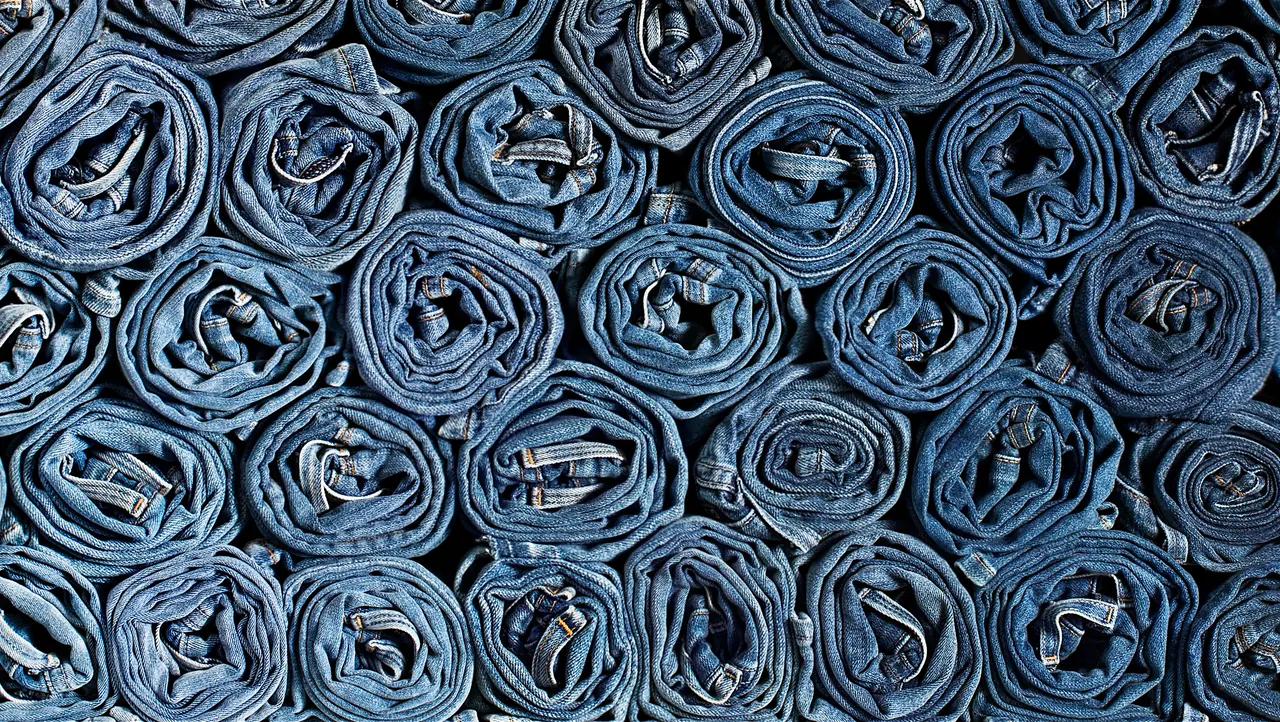
Recycled cotton
Reduces virgin cotton, water, land and chemical use, and diverts solid waste from landfill.
-
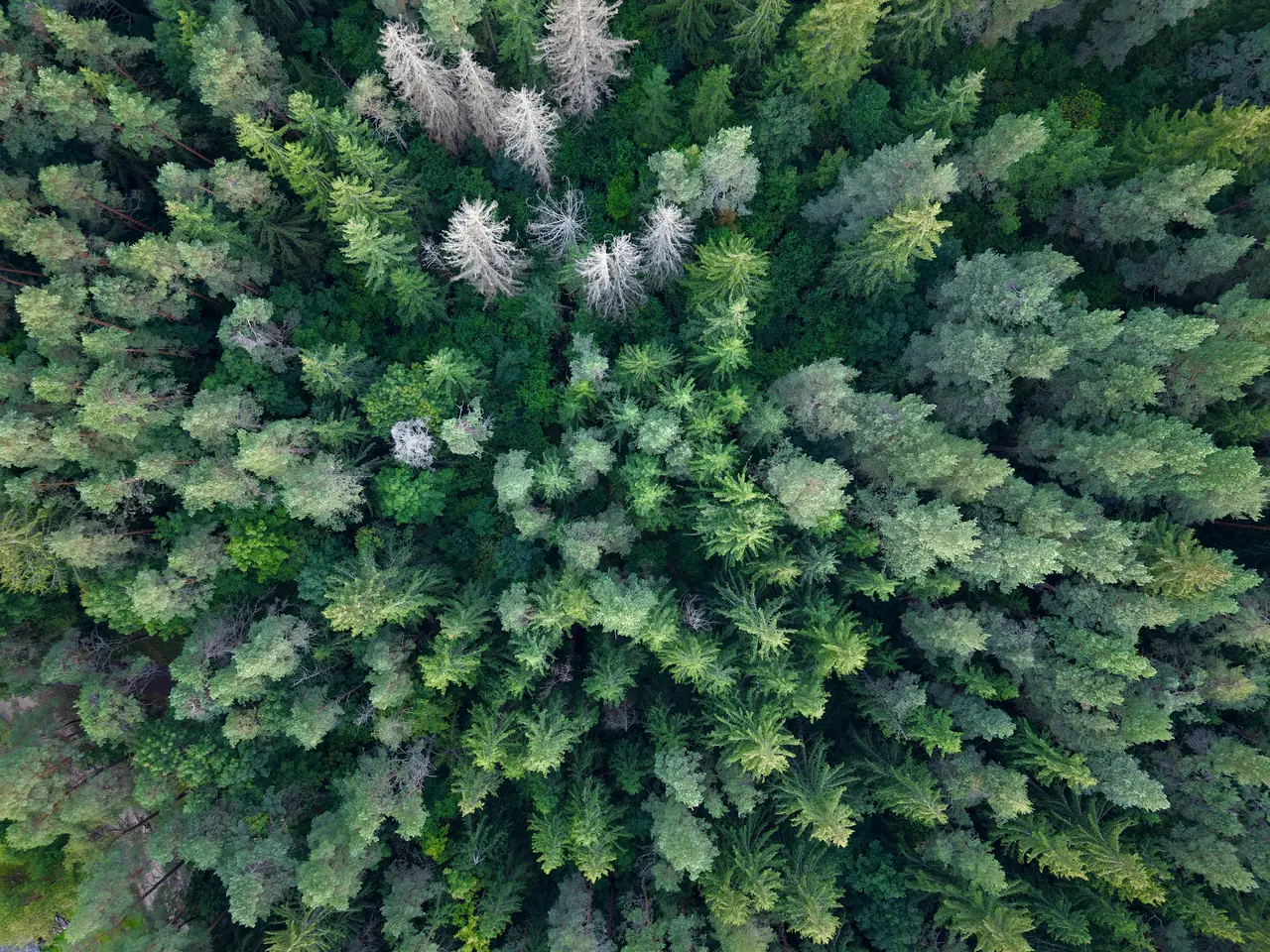
Wood-based fiber
Sourced from sustainably managed forests, with solvent and water recovered in a closed loop.
03 Water treatment plant
Biological effluent
treatment.
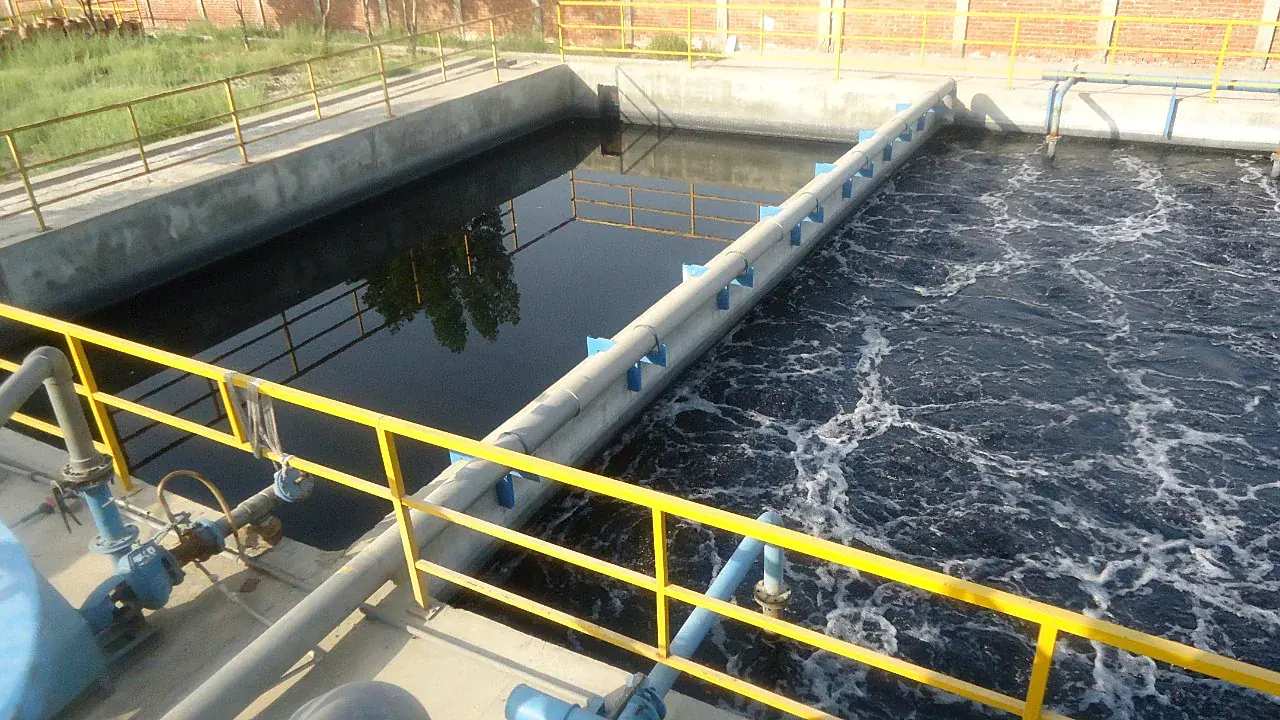
Our SIMEM biological effluent treatment plant treats wastewater to regulated pH, BOD and COD limits, and all indigo waste is processed before controlled discharge.
Move across the water to stir it
- pH
- BOD
- COD
- Color
0% clean
04 Solar energy
Renewable energy
initiatives.
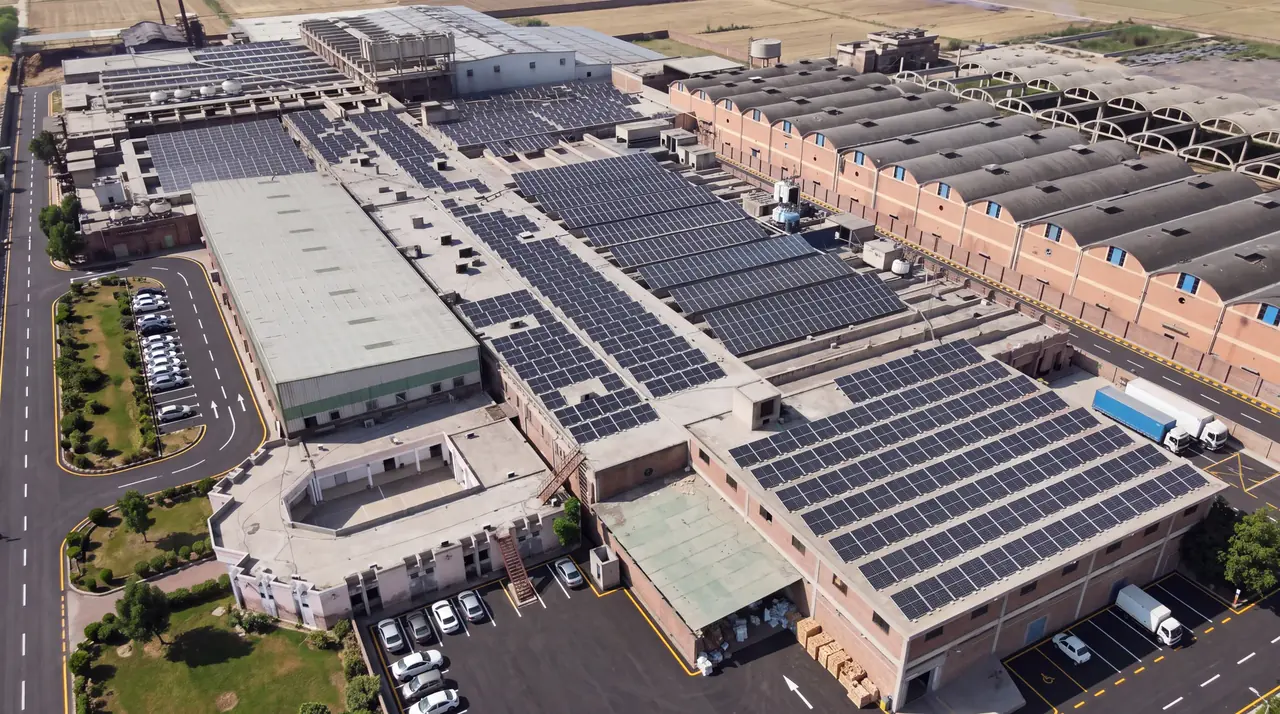
Rooftop solar generation supplies the looms and finishing lines during daylight hours, reducing our reliance on grid electricity.
- 2.4 MW
- Installed capacity
- 3,600
- MWh generated a year
- 5,800
- Panels on the roof
38% of the mill's electricity comes from the sun
05 Carbon footprint
Measured and reduced
year on year.
We measure the carbon behind every meter of denim, covering fuel and purchased electricity, and set a lower target each year.
- Energy audits across spinning preparation, dyeing, weaving and finishing
- Heat recovered from finishing and reused in the dye house
- Solar power replacing grid electricity in daylight hours
06 Recycled
Responsible waste
management.
Cotton waste is reclaimed into recycled yarn. All other waste is segregated at source and managed in a fixed order: avoid, reduce, treat, dispose.
- 01
Collect
Yarn waste, selvedge trim and fabric remnants are gathered at each machine.
- 02
Sort
Hazardous and non-hazardous streams are kept apart, along with packaging and paper.
- 03
Reclaim
Cotton waste is opened back into fiber and blended into recycled yarn.
- 04
Reweave
Recycled yarn returns to the loom as denim made to the Global Recycled Standard.
- 92%
- Of solid waste recycled or reused
- 1,150 t
- Of cotton waste reclaimed a year
- Quarterly
- Air emission monitoring at every source
- Zero
- Waste to landfill is the long-term goal
07 Compliance
Compliance you can
build business on.
Rantex is committed to maintaining compliance with applicable social, environmental, health & safety, labor and sustainability requirements, as well as customer-specific standards including the Inditex Code of Conduct.
Our manufacturing platform includes
- SIMEM Biological Effluent Treatment Plant (ETP)
- Wastewater treatment and controlled discharge
- Chemical management and spill-response systems
- Resource-efficiency initiatives
- Renewable energy initiatives
- Occupational health & safety systems
- Employee welfare and social compliance
- Responsible waste management
- Continuous improvement and corrective-action processes
Our compliance framework covers
- Fair employment
- Statutory wages
- EOBI & PESSI
- Group life insurance
- Legal overtime
- PPE
- Chemical safety
- Electrical safety
- Machine safety
- Formal employment documentation
- Wastewater treatment
We maintain transparent documentation, operational controls and corrective-action processes to support continuous compliance and responsible manufacturing.
08 Certificates
Independently certified.
 01 · Product safety
OEKO-TEX® Standard 100
Every component of the fabric is tested for harmful substances.
 02 · Organic fiber
GOTS
Organic fiber, with environmental and social criteria through the supply chain.
 03 · Organic content
OCS
Verifies organic fiber content from the farm to the finished fabric.
 04 · Recycled content
Global Recycled Standard
Verifies recycled content and tracks it from source to finished fabric.
 05 · Recycled content
RCS
Tracks recycled material through every stage of production.
 06 · Content claims
CCS
A chain of custody that verifies the content claims made for each fabric.
 07 · Cotton sourcing
Better Cotton
Physical and mass balance Better Cotton, under the Better Cotton chain of custody.
 08 · Cotton sourcing
Cotton made in Africa
Registered with Cotton made in Africa for sustainably grown African cotton.
 09 · Cotton sourcing
U.S. Cotton Trust Protocol
A member of the Trust Protocol for measured, verified U.S. cotton.
 10 · Traceability
TextileGenesis
Fiber-to-retail traceability, recorded on the TextileGenesis platform.
 11 · Chemical management
ZDHC
Registered on the ZDHC Gateway, managing chemistry to cut hazardous discharge.
 12 · Measured impact
Higg Index
Verified Higg FEM and FSLM assessments of the mill's environmental and social performance.
 13 · Quality system
ISO 9001:2015
A certified quality management system across the mill.
- 14 · Environmental system
ISO 14001:2015
A certified environmental management system across the mill.
- 15 · Health and safety
ISO 45001:2018
A certified occupational health and safety management system.
How does Rantex treat its wastewater?
The mill runs its own water treatment plant. Wastewater is treated to regulated pH, BOD and COD limits, and all indigo waste is processed before anything is discharged.
Which sustainable fibers does Rantex use?
Better Cotton, organic cotton, recycled cotton and wood-based fiber from sustainably managed forests.
Is Rantex denim tested for harmful substances?
Yes. Rantex works to OEKO-TEX Standard 100, which tests every component of the fabric for harmful substances, and follows the ZDHC approach to chemical management.
What happens to production waste?
Waste is collected and separated into hazardous and non-hazardous streams, including fabric remnants, packaging and paper. Rantex follows the order avoid, reduce, treat, dispose, with a long-term goal of zero waste.
Does Rantex make denim with recycled or organic cotton?
Yes. Rantex makes denim with recycled cotton and organic cotton, and works to the Global Recycled Standard and GOTS.
How does Rantex control air emissions?
Emission sources are monitored every quarter. If a reading is outside the permitted limit, the affected operation is shut down until it is corrected.